

The Sibaya Coastal Forest is one of our precinct’s most treasured natural assets, and this month, we’ve taken significant strides towards preserving and enhancing its beauty and ecological health. With a focus on rehabilitation, conservation, and maintaining respect for the rules of this protected area, we’re excited to share the latest updates from our ongoing efforts.
Reintroducing Exclusion Zones for Vegetation Rehabilitation
As part of our ongoing commitment to restoring the forest’s natural environment, we’ve reintroduced exclusion zones in selected areas of the forest. These fenced-off sections are essential for the successful rehabilitation of vegetation. By limiting human interference, we can allow the native flora to regenerate and thrive.
We kindly ask members and visitors to refrain from entering these fenced areas, as unauthorised access can disrupt wildlife habitats and hinder the progress of our restoration work. Allowing wildlife to move freely without interference is critical to the success of these rehabilitation efforts.
Targeting Alien Vegetation: Ink Berry and Beyond
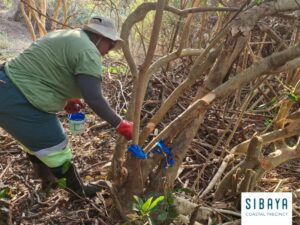
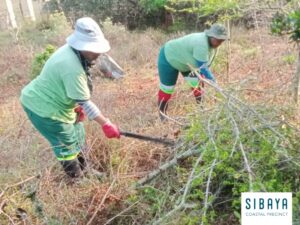
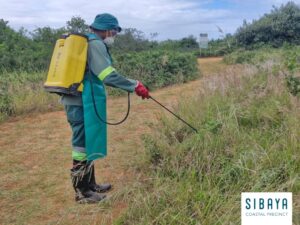
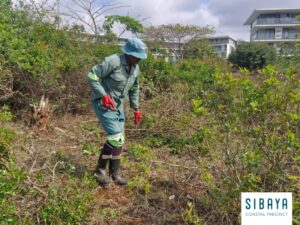
One of the key focus areas this month has been the control of alien vegetation, particularly woody plants that threaten the natural grasslands and biodiversity of our forest. Among the invasive species, the Ink Berry Tree (Ilex mitis) is commonly found on the outskirts of the forest. Though native to South Africa, when it spreads unchecked, this hardy tree can compete with other species for resources, affecting the overall balance of the ecosystem. Our teams have been applying targeted herbicides to manage these invasive plants, helping to revive our natural grasslands and maintain ecological diversity.
The Ink Berry Tree, while beautiful, can grow aggressively, often forming dense thickets that crowd out native grass species. By carefully managing its growth, we ensure that our grasslands remain healthy, providing a vital habitat for wildlife.
Trailhead Restoration and Maintenance
Alongside vegetation control, our teams have also been hard at work restoring and maintaining the areas around our trailheads. These trails are vital access points for visitors to explore the forest, but they require regular upkeep to ensure both safety and environmental integrity. We are committed to keeping these trails open and in good condition while protecting the surrounding environment from potential damage.
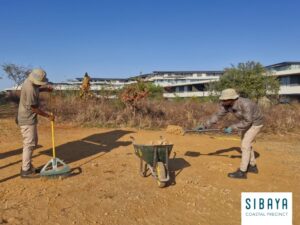
Keeping Sibaya Clean: Refuse Collection in Conservation Areas
This month, our teams collected 106 refuse bags from the conservation areas, a vital task in maintaining the health and cleanliness of the forest. Litter can have harmful effects on both wildlife and plant life, so this effort plays an essential role in keeping our natural spaces pristine.
A Reminder: Respect the Wildlife, No Dogs Allowed
As a conservation area rich in wildlife, it’s important that all members and visitors adhere to the rules of the forest. We kindly remind everyone that dogs are not permitted within the forest boundaries. This rule is in place to protect the many species that call the forest home, ensuring their safety and reducing stress on wildlife populations. We ask that you respect the signage and help us maintain the delicate balance of this unique ecosystem.
Our commitment to the Sibaya Coastal Forest is unwavering, and with each passing month, we make progress in protecting and preserving this invaluable part of our precinct. We thank you for your continued support and cooperation in these efforts.
