

As we wrap up September and continue to enjoy the vibrant start to spring, the Sibaya Coastal Precinct has come alive with exciting wildlife activity and beautiful blooms. Our Conservation Supervisor, Mazwi Ngubane, has been observing the changes throughout the month, and we’re thrilled to share the various sightings as the precinct welcomes new growth and life in this season of renewal.
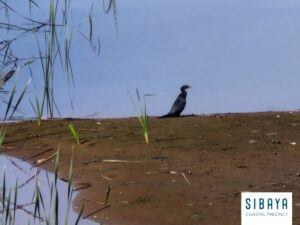
African Reed Cormorant: A Frequent Visitor at Node 1 Pond
This month, the African Reed Cormorant (Phalacrocorax africanus) was spotted frequently along the pond at Node 1. These nimble waterbirds are known for their incredible diving skills, catching fish with ease as they swim below the surface. With the warmer spring weather drawing more wildlife to the water’s edge, the cormorants have been a delightful sight for residents and visitors alike. You can often spot them perched nearby, wings spread, drying off after a successful fishing session.
Yellow-billed Kite: A Glimpse of the Changing Seasons
The sight of a Yellow-billed Kite (Milvus aegyptius) soaring over the edges of the Sibaya Forest is always a welcome reminder of spring. These migratory raptors return to KwaZulu-Natal during the warmer months, feeding on small mammals, insects, and carrion. With their striking yellow beaks and forked tails, Yellow-billed Kites are among the most graceful birds of prey in the region. As we move deeper into spring, we can expect to see more of these majestic hunters circling the skies above the precinct.
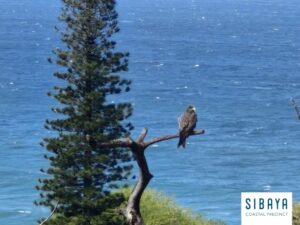
African Crowned Eagle: The Powerful Predator of Node 5
One of the most exciting sightings this September was the African Crowned Eagle (Stephanoaetus coronatus) near Node 5. Known as one of the most powerful raptors in Africa, the African Crowned Eagle is a master of the skies, preying on small antelope and monkeys. Its presence in the Sibaya Coastal Forest is a positive indicator of the thriving biodiversity within our precinct. These eagles are territorial and tend to nest in tall trees, making them a rare but incredible sight for those lucky enough to witness them in action.

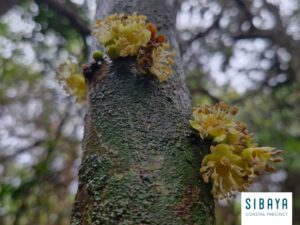
Drypetes Natalensis in Full Spring Bloom
The arrival of spring has also brought the Drypetes natalensis (Forest Ironplum) trees into full bloom. Native to KwaZulu-Natal, these trees are currently adorned with greenish-yellow flowers, attracting various birds and insects to their canopy. As one of the dominant trees in our forest, the Drypetes natalensis plays a crucial role in supporting the local ecosystem, providing food and habitat for wildlife. The sight of these trees in bloom is a visual celebration of the new season, signaling a fresh start for the forest.
Celebrate Spring by Exploring Sibaya’s Trails
As the month comes to a close, it’s a perfect time to explore the Sibaya Coastal Forest and witness the seasonal changes firsthand. Whether it’s watching the graceful flight of the Yellow-billed Kite or taking in the beautiful blooms of the Drypetes natalensis, there’s so much to discover in our natural surroundings. We encourage residents and visitors to take a walk along our scenic trails, enjoy the fresh spring air and experience the wonders of the season.
Please remember to respect the environment by staying on the designated paths and avoiding any disturbances to the wildlife. Thank you for your continued support of our conservation efforts, and we look forward to bringing you more exciting updates next month!
