
Sibaya’s Coastal Forest continues to serve as a vital research hub for the University of KwaZulu-Natal’s (UKZN) ecological studies and we’re proud to welcome the research teams back this season. Their work forms part of a growing body of knowledge about the biodiversity of our precinct and highlights the importance of sustained conservation efforts.
Monitoring the Spotted Ground Thrush and Woolly-Necked Stork
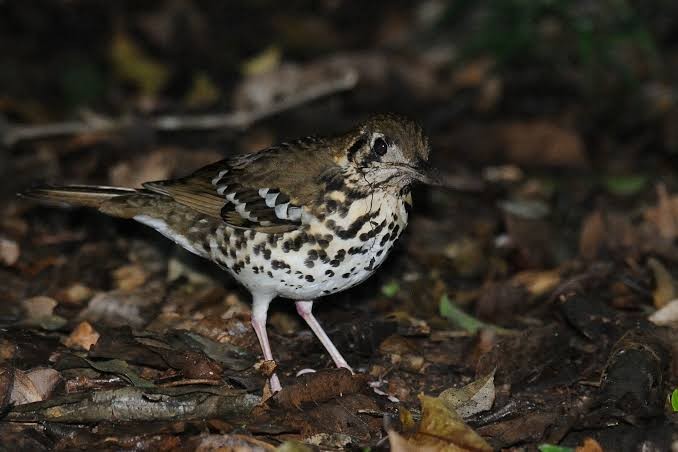
This phase of the study will focus on the elusive spotted ground thrush (Geokichla guttata), a rare and locally threatened forest-dwelling bird. Researchers will also continue their monitoring of the woolly-necked stork population around the Node 1 attenuation pond. This long-term study tracks their migration patterns, nesting behaviour and population dynamics – critical indicators of the overall health of our local ecosystems.
If you’re a nature enthusiast or simply passionate about preserving our environment, we invite you to get involved. Become a Citizen Scientist and support the research effort by signing up here: Join the Project.
To learn more about the ongoing stork research and how you can contribute through sighting reports, revisit our previous story: Help Support Woolly-Necked Stork Research
A Reminder: No Pets in the Forest or Conservation Areas
As always, we remind all residents and visitors that pets, particularly dogs, are not permitted in the Coastal Forest or conservation areas. Continued non-compliance disrupts research, disturbs local wildlife, and threatens the long-term sustainability of our conservation initiatives. We appreciate your understanding and cooperation in helping us protect this unique environment.
Together, let’s support science, protect biodiversity, and preserve the natural beauty of Sibaya.
Image reference: https://www.holmen-birding-safari.com/bird-pictures/african-birds/thrushes/spotted-ground-thrush/
